Timeline
How long does a lightweight steel frame home take to build?
Lightweight steel framing can support a faster, cleaner build process, but the real timeline depends on much more than the frame. Design decisions, approvals, site work, services, logistics, and finishes all shape how quickly a project actually moves.
The strongest time advantage usually comes when the project is well resolved before site work begins, the frame package is coordinated properly, and the building is not held back by avoidable approval or specification changes.
There is no single timeline for every LSF project
A more straightforward home on an accessible site will move very differently from a custom bushveld home, a staff accommodation programme, or a commercial structure with a more demanding specification.
That is why it is better to think in phases rather than asking for a single universal build duration. In most projects, the real question is where time is won or lost across the whole process.
The phases that usually shape the timeline
Brief and concept stage
The early design stage sets the pace for the whole project. A clear brief usually saves time later by reducing redesign and misalignment.
Approvals and review
Municipal submissions, estate reviews, and engineering coordination can take meaningful time and should not be treated as an afterthought.
Site preparation and foundations
Ground conditions, access, retaining requirements, and service connections can influence the project more than clients expect.
Frame manufacturing and installation
This is where LSF can help with precision and coordination, but it still depends on the design being complete and the programme being ready for it.
Envelope and services
Cladding, roofing, insulation, glazing, electrical, plumbing, and any solar or water systems all need proper sequencing.
Finishes and handover
Interior finishes, joinery, fittings, snags, and sign-off requirements often shape the tail end of the timeline more than the structural system itself.
Where LSF can genuinely save time
Lightweight steel framing can shorten parts of the construction process through precision manufacturing, cleaner coordination, and a more predictable structure. That tends to matter most when the brief has already been resolved and the project is not still changing direction on site.
In other words, LSF can support speed, but it works best as part of a disciplined process rather than as a shortcut around planning.
What usually causes delays?
- Approvals assumptions that turn out to be unrealistic
- Site surprises involving slope, access, soil, or services
- Late design changes after the build logic has already been set
- Premium finishes or specialist items with longer lead times
- Off-grid systems added too late instead of planned early
- Teams working in sequence without enough early coordination
Built work gives better timeline context
Real projects help clients understand how different briefs and scales influence delivery. These examples show the range of uses that LSF can support.
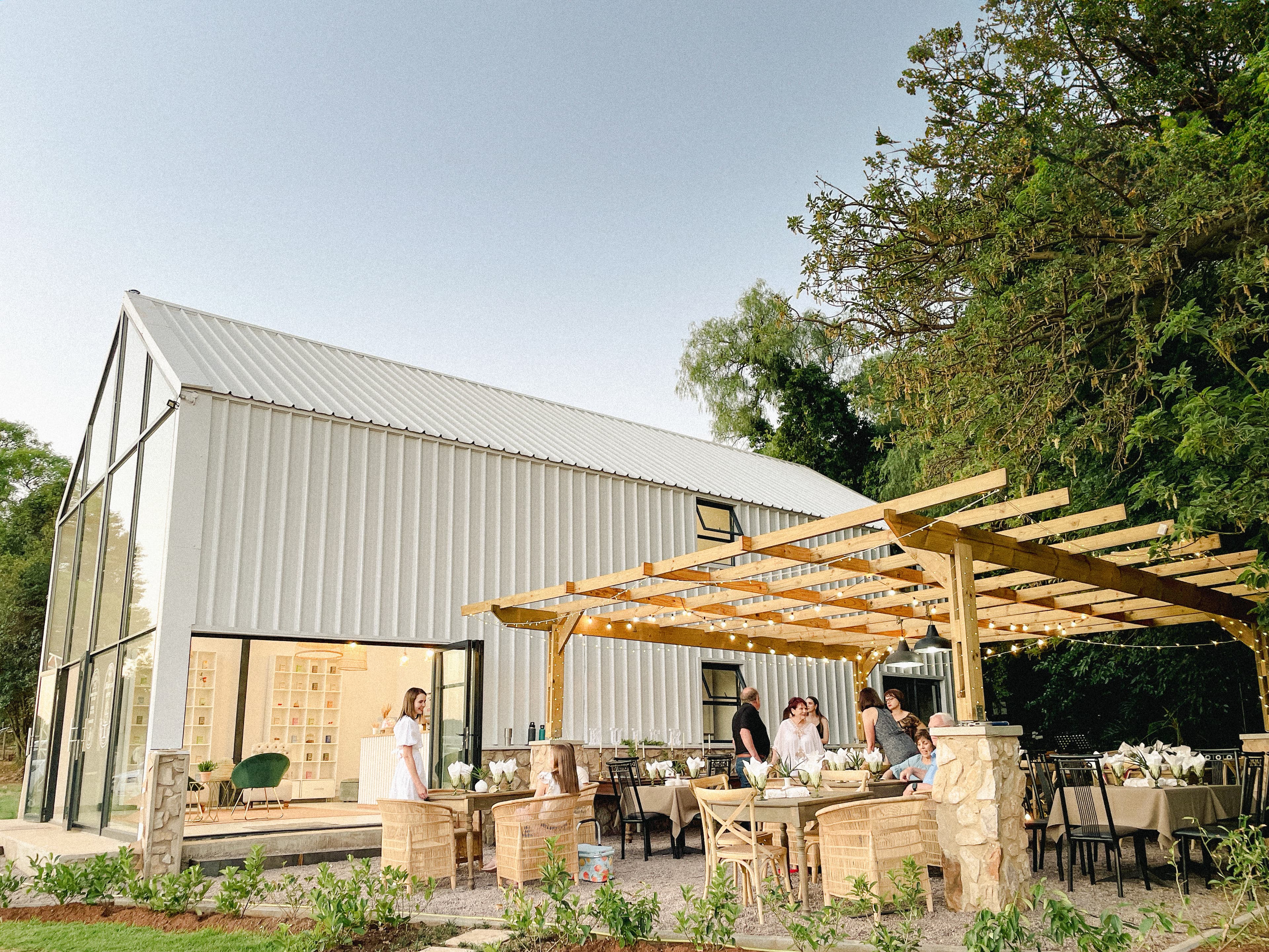
Rayton, Gauteng
Coffee & Spa
A completed commercial project delivered turnkey by Pequeño in Rayton in 2024.
View related location →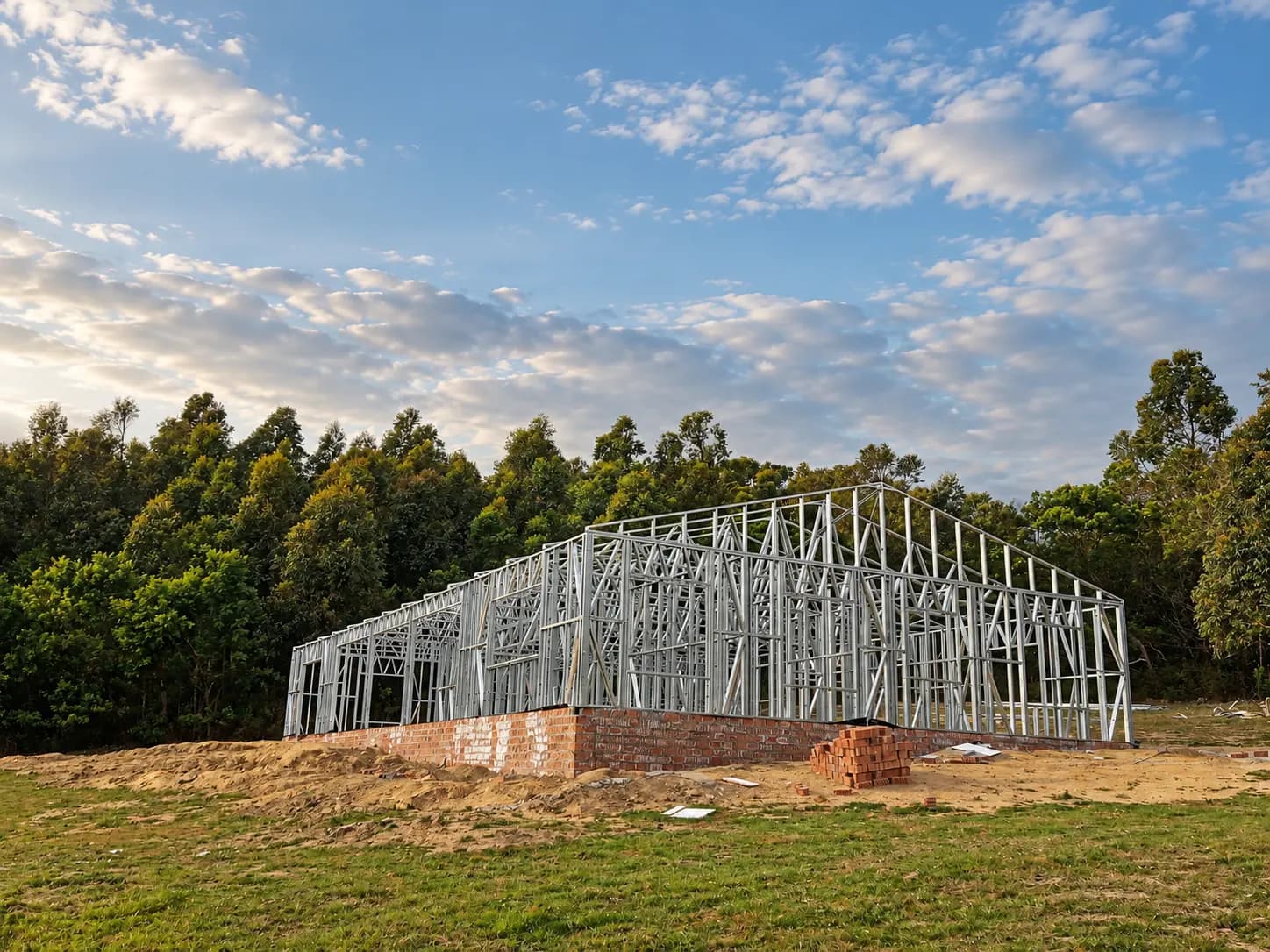
Somerset West, Western Cape
Somerset West LSF Structure
A documented LSF structure supply and installation project in Somerset West.
Common timeline questions
Are lightweight steel frame homes faster to build?
They often can be faster, but timeline still depends on design readiness, approvals, site work, manufacturing coordination, transport, and finishing scope. The frame alone does not guarantee speed.
What slows down an LSF home project?
Approvals, incomplete design information, difficult access, foundation surprises, service coordination, and late specification changes can all slow the programme.
Does off-grid planning affect the timeline?
Yes. Solar systems, water storage, backup power, wastewater strategy, and low-infrastructure site planning can all add design and coordination tasks that should be allowed for early.
When does a project move fastest?
Projects tend to move best when the brief is clear, the site is understood, the approvals path is realistic, and the architectural, structural, and delivery decisions are aligned early.
Want to plan around a realistic programme?
Share your site, intended use, and whether you are still at concept stage or ready to move. We can help you understand where the real timeline pressure points are likely to sit.
Helpful Reading
Explore the rest of the buyer planning series
If you are shaping a budget or deciding between systems, these guides will help you put the timeline conversation in context.
Cost Guide
Light Steel Frame Cost per m2 in South Africa
Understand light steel frame cost per m2 in South Africa, the limits of square-metre pricing, and what shapes a realistic project budget.
Read guide →
Approvals
Are Lightweight Steel Frame Homes Approved in South Africa?
A practical guide to plans, municipal approvals, estate rules, engineers, and what clients should expect when planning an LSF build.
Read guide →
Comparison
LSF vs Brick in South Africa
Compare lightweight steel framing and brick building in terms of speed, precision, comfort, site conditions, and project suitability.
Read guide →